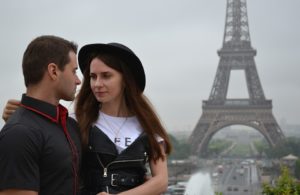
From the moment we meet someone, we make snap judgements. Their clothes, their weight, their face — all of it gets processed in seconds. This tendency is deeply human, shaped by evolution and social conditioning. But just because it's natural doesn't mean it's right, and the cost of appearance-based bias is far greater than most of us realise.
What the research tells us
Studies consistently show that physically attractive people are perceived as more intelligent, more competent, and more trustworthy — despite no actual correlation between attractiveness and these qualities. This phenomenon, known as the "halo effect," influences hiring decisions, courtroom verdicts, and even how teachers grade students. The implications are sobering. People who don't conform to conventional beauty standards are systematically disadvantaged across nearly every area of life.
The workplace isn't immune
Employment discrimination based on appearance is widespread, even where it's not explicitly discussed. Taller men are more likely to be promoted. People with larger body sizes face wage penalties. Those with visible skin conditions, unconventional features, or simply an "off-brand" aesthetic are often passed over for roles they're more than qualified for. Unlike race or gender, appearance-based discrimination remains largely unprotected by law in most countries, leaving millions with little recourse.
Social media has made things worse
Platforms built around images have amplified the pressure to look a certain way. Filters, editing tools, and carefully curated feeds have created an impossible standard — one that even the people setting it can't meet without technology. The result is a generation measuring their worth against images that aren't real. Anxiety, depression, and disordered eating have all been linked to the relentless visual comparison that social media encourages.
Appearance bias affects how we treat others too
It's not just about self-image. When we judge others by how they look, we lose the ability to see them clearly. A person's warmth, creativity, resilience, or humour doesn't show up in a profile photo. Reducing people to their physical appearance flattens their humanity, and it closes off relationships and opportunities that might have been genuinely rewarding. The colleague who doesn't fit the mould might turn out to be the most capable person in the room.
Changing the way we think
Challenging appearance bias requires conscious effort. It means pausing before forming a first impression, questioning where our assumptions come from, and actively looking for qualities that aren't visible. In professional settings, structured interviews and blind recruitment processes have shown promise in reducing the influence of physical appearance on hiring outcomes. On a personal level, expanding the range of bodies, faces, and styles we engage with — in media, in social circles, in the content we consume — gradually recalibrates what we consider "normal" or "appealing."
Character is the more reliable measure
Looks change. They fade, shift, and are shaped by circumstances far outside our control — illness, ageing, genetics, and access to resources all play a role. Character, on the other hand, reveals itself consistently over time. Kindness, integrity, and intellectual curiosity are qualities that hold their value. Building a society that reflects this is not idealism; it's a practical step toward fairer outcomes for everyone.